Primate Behavior and Conservation: Chimpanzees of Uganda
An Immersive Field Course in Tropical Ecology, Wildlife Research, and Conservation
Join us for an extraordinary field-based learning experience focused on the behavior, ecology, and conservation of wild chimpanzees in western Uganda. Centered on the long-term study of chimpanzees at the Semliki Wildlife Reserve, this university-level course provides students with hands-on opportunities to learn field research methods, explore tropical ecosystems, engage with local communities, and experience some of Africa’s most spectacular wildlife and landscapes.
This is not a tourist trip. It is an intensive academic field course designed for university students interested in biology, anthropology, conservation, ecology, environmental science, veterinary medicine, wildlife management, global health, and related disciplines.
Dates: July 15-31, 2027
Application Deadline: June 1, 2027
Program Fee: $4,500
Why Study in Uganda?
Uganda is one of Africa’s most biodiverse nations and is home to an extraordinary variety of primates, birds, mammals, and ecosystems. From tropical rainforests and savannas to the Albertine Rift Valley, Uganda offers unparalleled opportunities to study wildlife conservation in action.
Students will learn directly from Ugandan conservation professionals, researchers, and community members while gaining firsthand experience in one of the world’s most important biodiversity hotspots.
The Semliki Chimpanzee Project
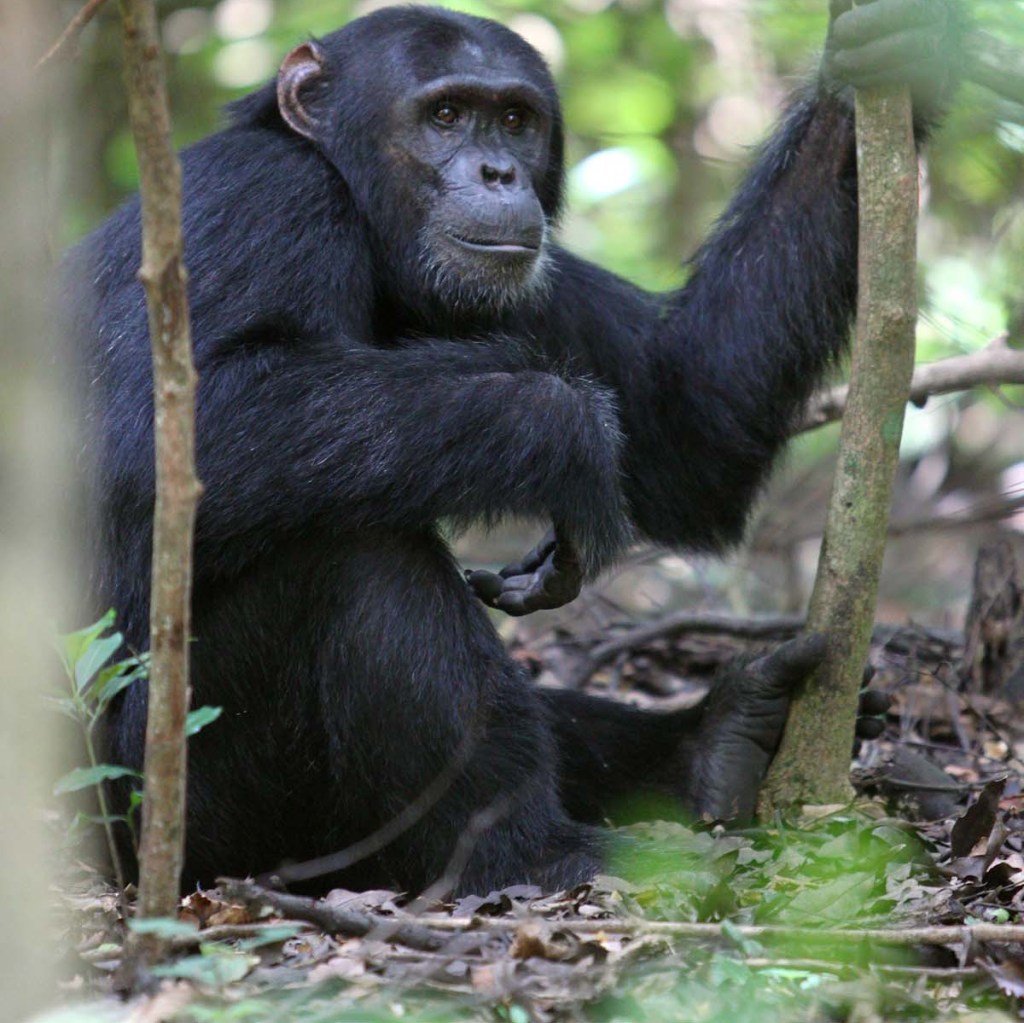
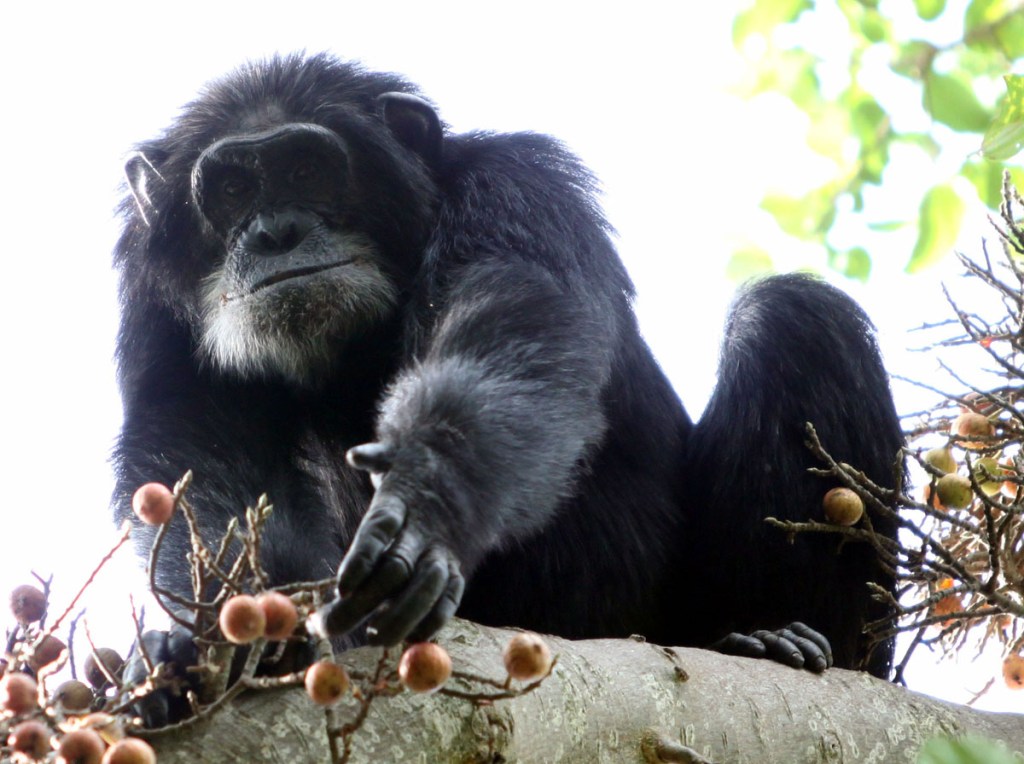
The centerpiece of the course is participation in field activities associated with the Semliki Chimpanzee Project, a long-term research initiative studying the behavior and ecology of wild eastern chimpanzees (Pan troglodytes schweinfurthii).
Students will learn about:
- Chimpanzee social behavior
- Communication and vocalizations
- Foraging ecology
- Tool use
- Habitat utilization
- Conservation challenges
- Human-wildlife interactions
- Field research techniques
Through guided observations and discussions with researchers, students will gain a deeper understanding of how long-term scientific research contributes to primate conservation and wildlife management.
Living at the Semliki Field Camp
One of the most memorable aspects of this course is living at the Semliki field camp in comfortable safari tents surrounded by wildlife. Rather than staying in hotels, students experience life as field researchers and conservationists working in the African bush.
Each evening, students return to camp after a day of field activities to enjoy spectacular sunsets, shared meals, and discussions about the day’s wildlife observations. The camp offers a unique opportunity to disconnect from daily distractions and fully immerse oneself in Uganda’s natural environment.
Wildlife is often encountered directly from camp. Students may observe:
- Uganda kob grazing near camp
- Warthogs foraging in the grasslands
- Bushbuck moving through the vegetation
- Olive baboons and vervet monkeys passing nearby
- Red-tailed monkeys and black-and-white colobus monkeys in surrounding trees
- Forest elephants moving through the reserve
- Hundreds of species of birds, including hornbills, kingfishers, bee-eaters, and raptors
As dusk falls, students may be serenaded by the booming calls of black-and-white colobus monkeys, among the loudest primates in Africa. After dark, the sounds of bushbabies, owls, and other nocturnal wildlife create an unforgettable atmosphere. Students may even be fortunate enough to spot a potto, a rarely seen nocturnal primate, in the trees near camp.
Living in safari tents at Semliki provides students with a rare opportunity to experience Africa’s wildlife and wilderness firsthand while gaining an authentic appreciation for the realities of field research, conservation, and life in a remote protected area. For many participants, the evenings around camp become one of the most meaningful and memorable parts of the entire course.
Primate Diversity of Semliki
While chimpanzees are the primary focus of the course, Semliki’s diverse habitats support a remarkable community of other primates.
Species students may observe include:
- Eastern Chimpanzee (Pan troglodytes schweinfurthii)
- Black-and-White Colobus Monkey (Colobus guereza)
- Red-tailed Monkey (Cercopithecus ascanius schmidti)
- Vervet Monkey (Chlorocebus pygerythrus)
- Olive Baboon (Papio anubis)
- Bushbaby (Galago senegalensis)
- Potto (Perodicticus sp.)
Explore Uganda’s Iconic Protected Areas
Ngamba Island Chimpanzee Sanctuary
Visit Uganda’s renowned sanctuary for rescued and orphaned chimpanzees. Students will learn about rehabilitation, sanctuary management, and the challenges facing chimpanzees across Africa.
Queen Elizabeth National Park
Explore one of Africa’s most celebrated wildlife reserves.
Students may observe:
- Elephants
- Hippos
- Nile crocodiles
- Uganda kob
- Warthogs
- Baboons
- Vervet monkeys
- Banded mongoose
- Lions
Bwindi Impenetrable National Park
Gorilla Trekking in Bwindi Impenetrable National Park
One of the most extraordinary components of this course is the opportunity to trek endangered mountain gorillas in Bwindi Impenetrable National Park, a UNESCO World Heritage Site and one of the most biologically diverse forests in Africa.
For many students, gorilla trekking becomes the highlight of the entire program and a life-changing wildlife experience. Mountain gorillas are found in only two regions on Earth, and Bwindi protects nearly half of the world’s remaining population. Observing these magnificent great apes in their natural habitat provides a rare opportunity to experience one of humanity’s closest living relatives while gaining an appreciation for the successes and challenges of modern conservation.
Lake Albert and the Albertine Rift
Students will travel through the spectacular Albertine Rift and stand atop the dramatic Rift Valley escarpment overlooking landscapes that stretch for miles below.
At Lake Albert, participants may have the opportunity to observe one of Africa’s most sought-after birds, the legendary shoebill stork.
Conservation and Community
Successful conservation depends on people as much as wildlife.
Students will engage with local communities and learn how conservation, agriculture, ecotourism, and sustainable development intersect in rural Uganda.
Activities include:
- Lectures by conservation professionals from the Uganda Wildlife Authority
- Visits to local markets in Ntoroko, Karugutu, and Fort Portal
- Discussions of Ugandan history and culture
- A tour of a tea plantation to learn about tea production from harvest to processing
- A visit to a smallholder family farm to explore sustainable agriculture and rural livelihoods
These experiences help students understand the important role communities play in protecting wildlife and natural resources.
Learning Outcomes
Upon completion of the course, students will be able to:
- Explain the behavior and ecology of chimpanzees and other African primates.
- Apply field methods used in primate behavioral research.
- Evaluate contemporary conservation challenges facing tropical ecosystems.
- Describe the role of protected areas in biodiversity conservation.
- Examine the relationship between human communities and wildlife conservation.
- Compare the behavior and ecology of multiple primate species.
- Demonstrate increased cultural awareness and global citizenship.
- Understand how long-term field research contributes to conservation policy and management.
Who Should Apply?
This course is ideal for students interested in:
- Primatology
- Wildlife Biology
- Conservation Biology
- Ecology
- Anthropology
- Environmental Science
- Pre-Veterinary Studies
- Global Health
- International Education
Both undergraduate and graduate students are welcome.
A Transformative Educational Experience
Few courses offer the opportunity to study wild chimpanzees, trek mountain gorillas, live in a field camp surrounded by wildlife, learn directly from conservation professionals, and immerse yourself in another culture all within a single program.
Guided by Ugandan experts and instructors with decades of experience conducting research, conservation, and education throughout Africa, students gain a deeper understanding of primate behavior, biodiversity conservation, and the complex connections between people and nature.
Come study our closest living relatives in the wild and experience Uganda through the eyes of scientists, conservationists, and local communities.
Credit Information
This field course is open to both credit-seeking and non-credit-seeking students. University credit may be arranged through your home institution. Applications from students of all majors are encouraged.
Application Process
Admission to the Primate Behavior and Conservation: Chimpanzees of Uganda field course is designed to bring together a diverse group of motivated students with an interest in primates, wildlife conservation, field research, global learning, and African ecosystems. Students from all majors are encouraged to apply, although the course is particularly relevant to those studying biology, anthropology, environmental science, ecology, wildlife management, veterinary medicine, conservation, and related disciplines.
To apply, prospective participants must submit the following materials:
1. Completed Application Form
Applicants should complete the program application form in its entirety. The form provides information about your academic background, relevant experience, emergency contacts, and reasons for wanting to participate in the course. Contact kdingess@semlikichimpanzee.org for an application form.
2. Statement of Interest
Applicants should submit a brief statement describing:
- Why they wish to participate in the course
- Academic and career goals
- Interest in primates, conservation, ecology, or global education
- Any relevant coursework, research, volunteer, or field experience
- What they hope to gain from the experience
The statement allows the selection committee to learn more about each applicant’s motivations, interests, and commitment to field-based learning.
3. Letter of Reference
Applicants must submit one letter of reference from a professor, advisor, employer, research supervisor, or other individual who can speak to their academic abilities, professionalism, maturity, and suitability for an international field experience.
Selection Criteria
Applications are reviewed holistically.
Successful applicants typically demonstrate:
- A strong interest in wildlife, conservation, or global learning
- Academic motivation and curiosity
- Flexibility and adaptability
- Ability to work effectively in a group setting
- Maturity and professionalism
- Enthusiasm for experiential learning and field research
Previous international travel or field experience is welcome but is not required.
Important Dates
Course Dates: July 15-31, 2027
Application Deadline: June 1, 2027
Early application is strongly encouraged, as enrollment is limited and spaces are filled on a rolling basis.
Program Cost
Program Fee: $4,500
The program fee includes:
- In-country transportation
- Field station and lodging accommodations
- Safari tent accommodations at Semliki Wildlife Reserve
- Gorilla trekking permit
- National park entrance fees
- Scheduled course activities and excursions
- Instruction and field supervision
- Meals
The program fee does not include:
- International airfare to and from Uganda
- Passport and visa fees
- Travel insurance
- Personal expenses
- Souvenirs and optional purchases
Questions?
We are happy to discuss course expectations, academic credit, travel logistics, safety, and program details with prospective students and their families.
For additional information and an application form, please contact:
Kimberly Dingess
Email: kdingess@semlikichimpanzee.org